style · Oct 25, 2026 · DAILY TRANSMISSION
Tonight in Miami Beach, the Dancer Calls the Shots
At the Festival de Bomba y Plena, a raised hand or sharp heel can tell the lead drummer exactly what to play next.
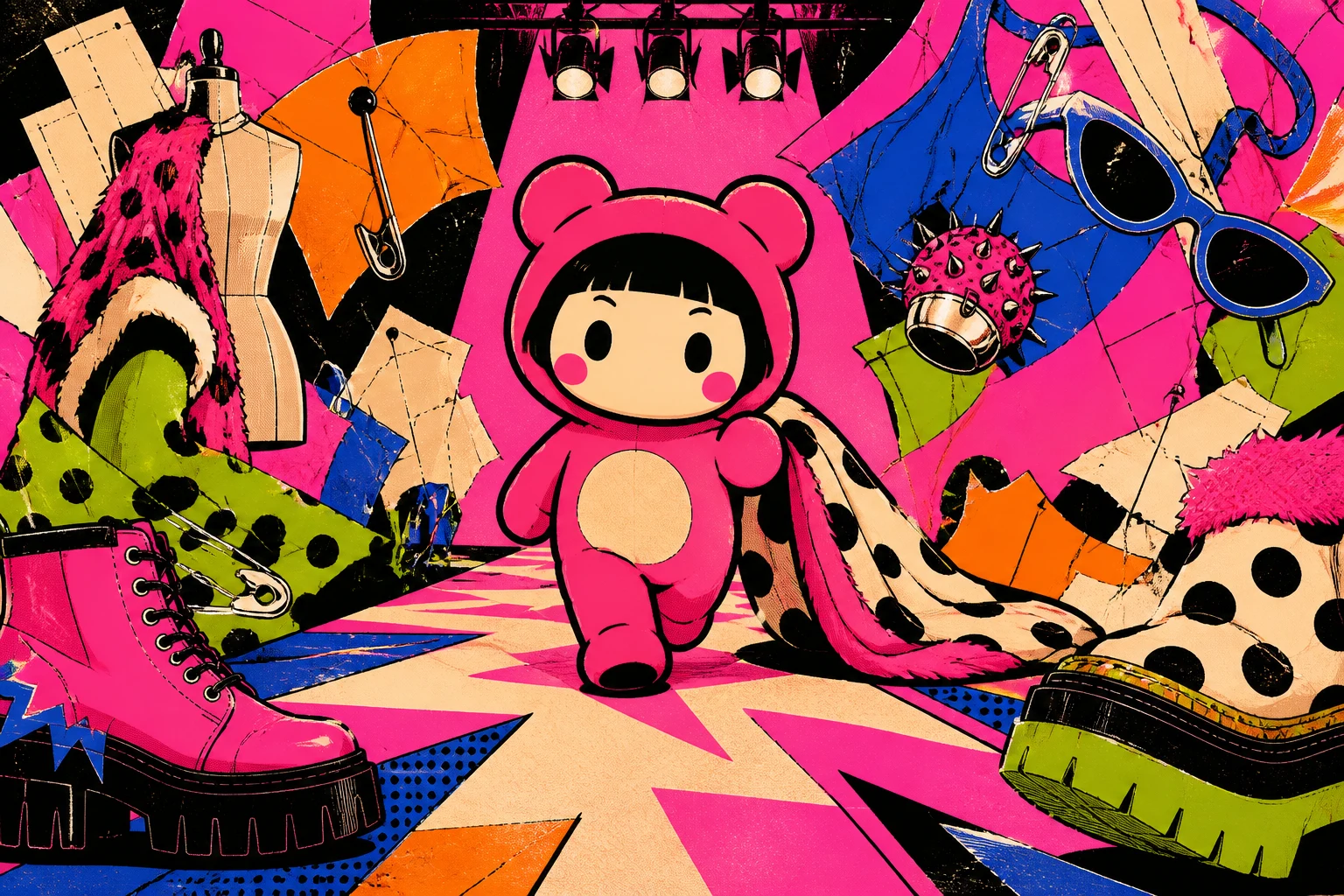
A heel hits. A drum answers.
Picture the covered Miami Beach Bandshell tonight: a dancer steps into a circle, snaps a gesture through the air, and a drum fires back. No conductor waves a baton. No dancer is simply counting along to a pre-set track.
That exchange is bomba, an Afro-Puerto Rican music and dance tradition. Its lead drum, called the primo or subidor, follows the dancer’s improvised movements. The dancer’s little rhythmic gestures are called piquetes, and the drummer translates them into sound.
The floor gets a vote
The free third Festival de Bomba y Plena runs Sunday, October 25, from 5 to 10 p.m. Doors open at 4 p.m. It’s all ages, rain or shine, under the open-air roof of the Miami Beach Bandshell.
Afro Borinken Roots Performing Group produces the event. The lineup includes D’Pleneros, Los Capullitos de Alelí, JACAREO, and Miamibloco. There will also be traditional dance, cultural demonstrations, artisans, family programming, and an open bombazo.
A bombazo is a participatory bomba gathering, not a sit-down-and-clap-politely situation. The festival’s open bombazo invites the audience into the form’s central conversation: body says something, drum answers fast.
Bomba has a weirdly great power setup
Most concerts teach us a simple chain of command. The band plays. The crowd listens. A dancer, if there is one, usually follows the beat like everybody else.
Bomba flips that familiar order. Smithsonian Folkways describes its lead drummer as being in dialogue with the dancer, answering movements of the hands and body. Discover Puerto Rico describes bomba as guided by the dancer’s feet.
That does not mean the drummer is doing easy work. Quite the opposite. The response has to be immediate, musical, and alive. Bomba uses barrel drums, plus maraca and cuá or fuá sticks, with singing often built around call-and-response.
Plena brings the neighborhood bulletin
The festival name joins bomba with plena, but they are related neighbors, not one big blur. Plena puts more weight on lyric and melody than dance steps. Its beat comes from panderos, hand drums in different sizes and tunings.
Plena grew among urban workers in coastal Puerto Rican places including Ponce and Mayagüez after 1898. Its verses have long carried stories about local events and burdens, which is why people often describe it as a kind of neighborhood news report.
Bomba has deeper roots in African ancestry and colonial-era Puerto Rico. Plena developed later, alongside a growing Puerto Rican national identity. Put them together and you get dance that can steer a drum, plus songs that can carry a community’s memory.
Miami makes room for both
This is the festival’s third edition. The Bandshell says it began in 2024 and has drawn more than 1,000 attendees each year. That is a decent-sized circle, especially when the circle is the point.
Miamibloco adds another percussion language to the bill. The Miami group draws inspiration from Rio de Janeiro’s street blocos and samba schools. That does not make Brazilian and Afro-Puerto Rican traditions interchangeable; their histories and rules are their own.
But sharing a Miami Beach stage gives the night a lively question: who gets to make the rhythm move? Tonight, the answer may arrive in one lifted shoulder, one stomp, and one very alert drum.
SOURCES FROM THIS TRANSMISSION
↗Los Pleneros de la 21: Afro-Puerto Rican traditions | Smithsonian Folkways Recordings ↗Música y baile | Discover Puerto Rico ↗Miamibloco: Samba Percussion NPO ↗Musical Explorers Program 10: Bomba and Plena | Carnegie Hall ↗Puerto Rican Bomba and Plena: Shared Traditions — Distinct Rhythms | Smithsonian Folkways Recordings ↗